

Healthcare compliance is no longer a back-office function—it’s a boardroom priority and a strategic enabler of growth. As organizations navigate evolving compliance regulations, data governance challenges, and the rise of automation, the need for integrated compliance programs has never been greater.
In recognition of Corporate Compliance & Ethics Week, MRO’s Vice President and Chief Compliance & Privacy Officer, Hassan F. Abdallah, shares how MRO transforms compliance from a reactive obligation into a forward-looking strategy that drives growth, builds trust, and ensures regulatory excellence across the healthcare ecosystem.
When you hear the term healthcare compliance, what does that mean to you?
Healthcare compliance is the disciplined intersection of ethics, regulation, and operational execution. It’s not just about adhering to laws—it’s the consistent pursuit of doing what’s right, even when it’s difficult.
Every single day, across every level of the organization, someone makes a choice that either reinforces or weakens our culture of integrity.
To me, real compliance is about curiosity. It’s about asking questions and being willing to challenge the why behind the what. Why do we do it this way? Why does this process exist? Why might this decision create risk? That mindset—the courage to slow down and ask—is where compliance truly happens.
When we align clinical intent, business operations, and legal obligations with that spirit of curiosity and accountability, we build something much deeper than a compliant program. We build trust—with patients, regulators, and each other.
Many organizations still view compliance as a “necessary control,” but MRO talks about compliance as a strategic enabler of scalability and trust. Why is that important?
In modern healthcare, compliance is the foundation that enables scalability—not a barrier to it. When compliance programs are proactive and fully integrated, they create predictable, defensible operations that clients, regulators, and partners trust.
That trust becomes a growth driver. It allows organizations like MRO to expand partnerships, innovate confidently, and operate with speed while maintaining the highest ethical and regulatory standards. At MRO, compliance is intentionally built into the architecture of scalability, serving as the engine of reliability and confidence for both our clients and our workforce.
Healthcare organizations are under pressure to process information faster than ever. How can they maintain both operational speed and compliance defensibility in such high-volume environments?
Speed without structure creates unnecessary risk. The key is designing processes that scale precision—not just volume. At MRO, compliance is embedded directly into workflows, with automated quality checkpoints, standardized decision logic, and empowered frontline staff who make informed, compliant choices in real time.
Technology plays a crucial role, but the real differentiator is training. Effective compliance training translates complex regulatory requirements into practical, day-to-day actions. Every individual—from intake to release—understands not just what to do, but why it matters within the larger framework of patient rights, privacy, and regulatory intent.
MRO’s compliance team often works side-by-side with HIM and operations leaders. What does that collaboration look like in practice?
It’s a process of constructive collaboration—and often, productive tension. We intentionally pressure-test ideas, challenge assumptions, and unite compliance, HIM, and operations early in solution design.
This collaboration isn’t about sign-offs at the end; it starts at the concept stage. Whether we’re re-evaluating workflows, deploying new release technologies, or responding to evolving OCR guidance, compliance is embedded throughout development. The result is shared accountability—where compliance becomes a partner in performance, not an obstacle to progress.
What do you see as the biggest compliance challenges today?
My critical focus is on effective training and education. Regulations evolve faster than most organizations can operationalize, and translating complex, technical requirements into clear, actionable guidance remains essential.
It’s not just about annual training—it’s about continuous communication, adaptive reinforcement, and ensuring comprehension at every operational layer. As AI becomes more deeply embedded in healthcare workflows, maintaining intentional human oversight is vital. My focus is ensuring automation supports—not replaces—ethical judgment.
Education remains the cornerstone of compliance. It helps teams understand why actions matter within the ethical and regulatory framework of healthcare.
The broader challenge lies in the convergence of privacy, technology, and ethics. AI decision-support tools, secondary data use, and interoperability all introduce new risk dimensions that demand thoughtful, multidisciplinary governance. In this landscape, compliance must continue to evolve as both an educator and an innovator — bridging knowledge, policy, and technology to keep patient trust at the center of every decision.
As we celebrate the 20th anniversary of Corporate Compliance & Ethics Week, how do you reflect on how compliance has changed in the last 20 years, and where it is headed?
Two decades ago, compliance was primarily a reactive, audit-driven function focused on checking boxes and avoiding penalties. Today, it’s evolved into an integrated business discipline that drives strategy and performance across every operational layer of healthcare.
The compliance field has also diversified significantly. What began as a space dominated by nurses and legal professionals now includes experts from IT, data science, informatics, and business analytics — all critical voices in today’s compliance ecosystem. That diversity has made compliance smarter, faster, and more resilient.
Looking ahead, compliance will continue to move closer to the center of healthcare strategy—guiding ethical data use, supporting innovation, and ensuring that as healthcare becomes more interconnected, it never loses sight of the trust that underpins it all.
•••
Healthcare organizations that integrate compliance, data quality, and regulatory governance into every operational layer will be best positioned to thrive in the next era of healthcare. At MRO, compliance isn’t a barrier—it’s the foundation of ethical leadership, collaboration, and better outcomes for patients and providers alike.
Contact us to learn more about how MRO’s solutions help healthcare organizations strengthen their data governance, maintain defensible workflows, and lead with integrity.
•••
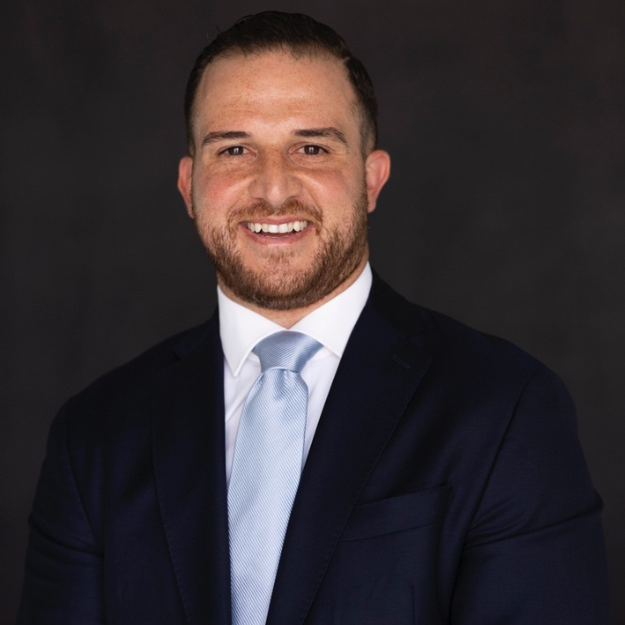
Hassan F. Abdallah
VP and Chief Compliance & Privacy Officer
Hassan F. Abdallah is a healthcare legal and compliance executive recognized for his work in law, governance, and data-driven risk management. As Vice President and Chief Compliance & Privacy Officer at MRO, he leads enterprise-wide compliance strategy, ensuring regulatory integrity and operational excellence across one of the nation’s premier health information companies.
In addition to his work at MRO, he serves as Chairman of the Board at Horus Health and as a gubernatorial appointee to the Michigan Board of Medicine’s Disciplinary Subcommittee, contributing to the oversight of medical practice and public health governance.
With advanced legal studies from Cornell Law School and extensive credentials in healthcare compliance and risk, Hassan brings robust expertise in navigating today’s complex healthcare landscape. Hassan is dedicated to building resilient organizations, mentoring emerging leaders, and translating complex regulations into actionable strategies that drive measurable impact—advancing healthcare through integrity, accountability, and thoughtful leadership.